Foosball and the Olympics: The ITSF Push in 2026
But the International Table Soccer Federation (ITSF) has been pursuing recognition through the International Olympic Committee (IOC) for years, and 2026 repr...
Tournament entries are up, youth programs are expanding, and the ITSF is pushing harder than ever for Olympic recognition.
Yes — and the momentum in 2026 is real. Tournament entries are up, youth programs are expanding, and the ITSF is pushing harder than ever for Olympic recognition. Here’s what’s actually driving the growth and what it means for players at every level.
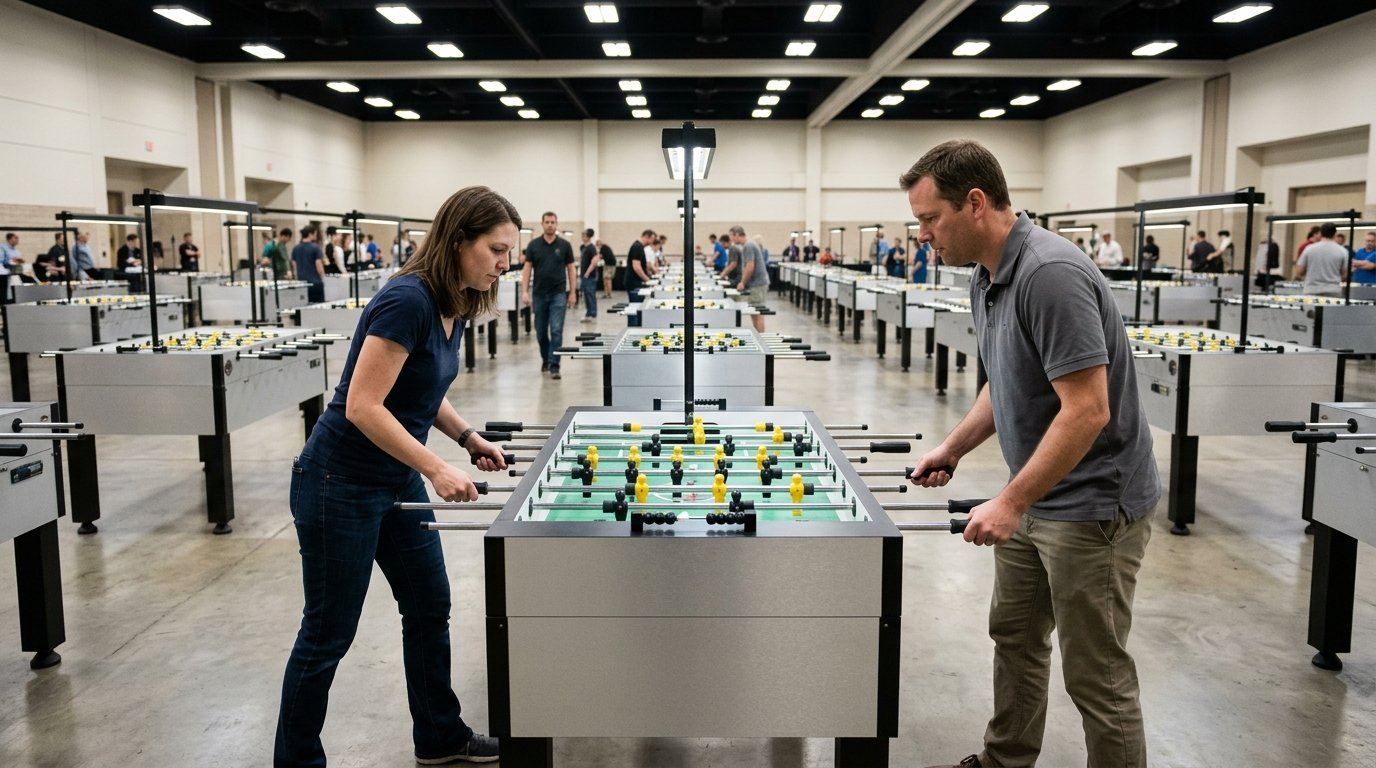
Foosball has always had a complicated reputation in the United States. Too many people still picture a beat-up table in a college basement, handles sticky from years of use, nobody quite sure of the rules. That image is increasingly out of date. The foosball scene in 2026 looks more like a real sport ecosystem — with governing bodies, ranked players, qualifying tournaments, and a growing number of venues that take the game seriously.
The ITSF (International Table Soccer Federation) now officially recognizes national associations in over 60 countries. In the US, USA Foosball (USTSF) manages sanctioned competition, national rankings, and the path to the Table Soccer World Championship. These are not hobby clubs — they run structured seasons with points, seedings, and qualifying events that feed into international play.
The format most players encounter first is the DYP (draw-your-partner, where partners are randomly assigned at the start of a tournament) or a bar-league open singles bracket. Neither requires an elite skill level to enter. That accessibility is a major part of what’s fueling growth — you don’t have to be a ranked player to have a reason to show up on a Tuesday night.
The ITSF’s pursuit of Olympic recognition for table soccer is ongoing and serious. Foosball is not an Olympic sport — not yet — but the federation has made formal presentations to the International Olympic Committee and continues to build the administrative and global-participation case required for consideration.
A few forces have converged to push the sport forward in the mid-2020s, and they reinforce each other in ways that feel genuinely sustainable.
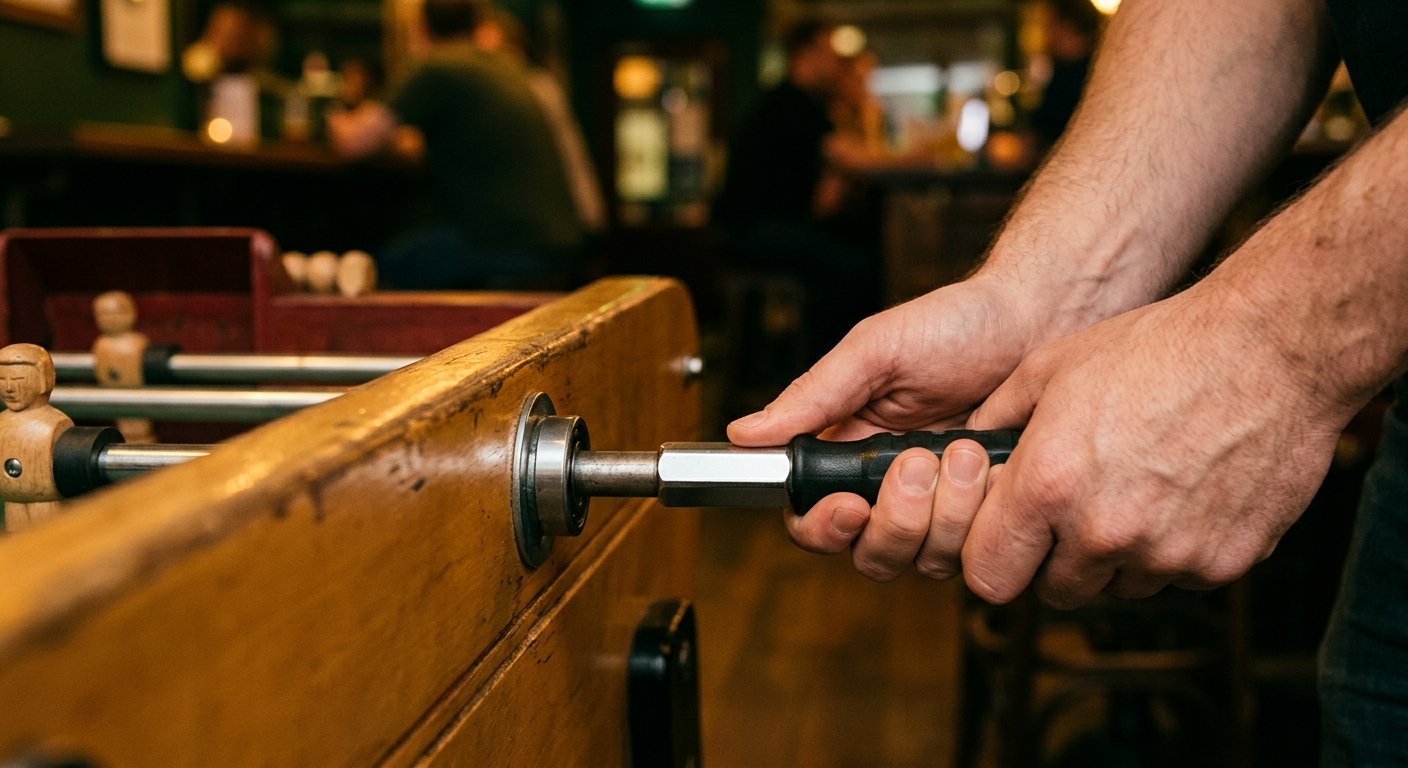
One of the most consistent killers of foosball enthusiasm has always been bad tables. When new players learn on a wobbly, dead-ball table with no rod response, they don’t develop a feel for the game — they just lose interest. The shift toward venues investing in tournament-grade Tornado tables (manufactured by Valley-Dynamo, the US competitive standard) has made a measurable difference in player retention. When the equipment is right, people come back.
If you’re in South Florida and you want to find a room with a real table, the Where to Play directory at Foos Central lists bars, game rooms, clubs, and leagues across Boca Raton, Fort Lauderdale, West Palm Beach, and Miami. That’s your starting point.
Nothing grows a sport faster than giving people something to work toward. League play, local DYPs, and regional qualifiers create a competitive ladder that keeps players engaged past the casual stage. When you have a rating, a ranking, or just a Tuesday-night grudge match to prepare for, you practice. When you practice, you improve. When you improve, you recruit your friends. That cycle is how sports grow from the ground up.
When the equipment is right and the competition is real, people don’t just play foosball — they come back for it.
This is the long game, and it matters more than anything else on this list. The average age of competitive foosball players in the US has historically skewed older — people who got hooked in college or at a bar in their twenties. That’s a fragile demographic base. The sport needs players who grow up with it.
At Foos Central, Damon Delcoro’s Youth Program is doing exactly that — placing tournament-grade Tornado tables in South Florida schools and introducing the game as a skill sport to kids who’ve never touched a foosball rod. This isn’t a “let’s put something fun in the rec room” project. It’s a deliberate effort to build a player pipeline that feeds into competitive play over time. Learn more about the program and how to bring it to a school at fooscentral.com/youth-program.
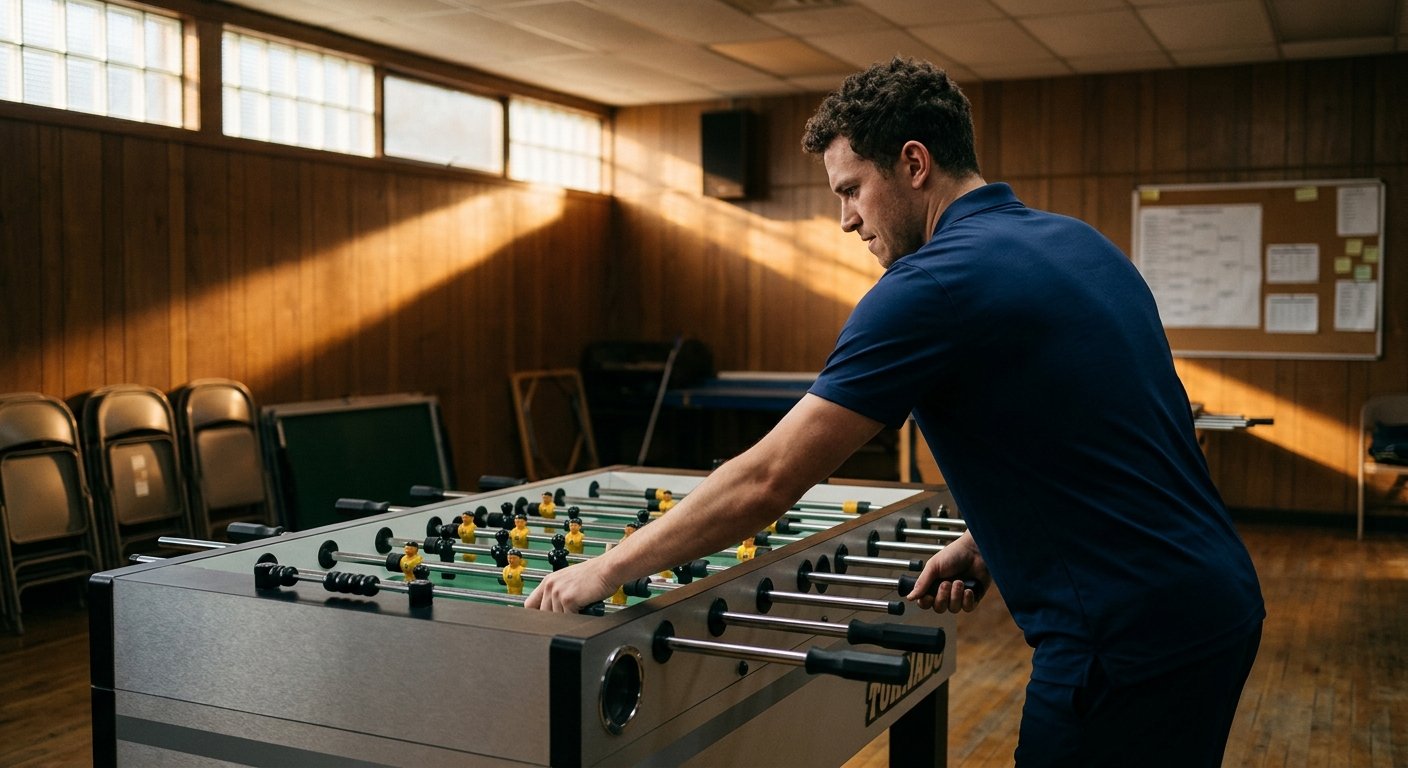
Let’s address this directly because it comes up constantly: foosball is not an Olympic sport. Not yet. (There’s a reason we keep saying “not yet.”) The ITSF has been building the case for Olympic recognition for years — demonstrating global participation, standardized rules, an established anti-doping framework, and the kind of international organizational structure the IOC expects. It’s serious, institutional work, and it’s moving forward even if slowly.
What Olympic recognition would mean in practical terms: massive visibility, national funding in many countries for player development, and the kind of mainstream legitimacy that makes parents encourage their kids to play rather than steering them toward “real sports.” That’s a big deal for a game that still gets underestimated.
The IOC’s recognized sports framework requires demonstration of widespread international participation and governance, among other criteria. Table soccer checks more of those boxes every year.
If you want to support the Olympic push in a tangible way, play in sanctioned ITSF events. Every registered player in every member country adds to the participation numbers that matter when the IOC evaluates a sport’s global reach.
There’s a reason school-based foosball programs generate so much enthusiasm from educators who try them. The game teaches hand-eye coordination, spatial reasoning, quick decision-making under pressure, and something genuinely underrated in competitive youth sports: how to lose gracefully and come back better. It’s also fast — you can run a full game in under five minutes, which fits a school environment in ways that longer court sports simply don’t.
For younger players, the learning curve on a real Tornado table is steep enough to be interesting but not so steep that it drives them away. The 5-bar (the five-man offensive rod), the 3-bar (three-man shooting rod), and the goalie setup each have distinct mechanics to learn. A beginner gets their first goal within the first session. A dedicated player is still finding new layers six months in.
Understand the rod positions — goalie, 2-bar defense, 5-bar midfield, 3-bar offense — and how the ball moves between them.
Start with the pull shot (moving the ball laterally before striking) or the push shot before attempting the snake/rollover (a wrist-rotation shot off a pinned ball).
Structured competition accelerates improvement faster than casual play. Enter a local event through the tournament calendar.
Consistency matters. Having a home table or a regular bar with a Tornado lets you build muscle memory instead of adapting to different equipment each time.
Here’s what’s real on the ground in 2026: South Florida has a legitimate foosball scene. There are bars and game rooms in Boca Raton, Fort Lauderdale, West Palm Beach, and Miami running regular events, weekly DYPs, and league nights. There are competitive players in this region who travel to national events and hold rankings. And there’s a Youth Program building the next generation of those players right now in local schools.
That’s not hype — that’s a functioning ecosystem. And it needs more people in it. If you’re a venue owner with space for a table, or a school administrator who wants to know what a Tornado table does for a school’s game room, or just someone who played once at a friend’s place and wants to find where the real game happens — the infrastructure is here.
Browse the clubs and leagues section of the Where to Play directory, check the upcoming tournament list, or submit a location you know about at fooscentral.com/submit-a-location.
No. Foosball is not an Olympic sport as of 2026. The ITSF (International Table Soccer Federation) is actively pursuing Olympic recognition and has been building the global participation and governance case required by the IOC. Recognition hasn’t happened yet, but the effort is real and ongoing.
Foos Central’s Where to Play directory covers bars, game rooms, clubs, and leagues across Boca Raton, Fort Lauderdale, West Palm Beach, and Miami. Visit fooscentral.com/where-to-play to find current listings and submit locations you know about.
The Foos Central Youth Program places tournament-grade Tornado tables in South Florida schools and introduces kids to the game as a competitive skill sport. If you’re a parent, coach, or school administrator interested in bringing the program to your school, start at fooscentral.com/youth-program.
DYP stands for “draw-your-partner.” At the start of the tournament, partners are randomly assigned rather than pre-selected. It’s one of the most common formats in club and bar-level play because it levels the field, encourages mixing between players of different abilities, and makes for a social, energetic event.
Tornado tables, manufactured by Valley-Dynamo, became the dominant US competitive standard after the professional tournament era of the 1970s and have held that position ever since. USA Foosball and most major US tournaments use Tornado tables, which means competitive players train and develop on them. They’re built for speed, precision, and durability in ways that consumer-grade tables simply aren’t.
Find a table near you, enter a tournament, or help put a Tornado in a school — Foos Central has the tools for all of it.
Grow the game
We put tournament-grade Tornado tables where kids can reach them. Bring the Youth Program to a school near you, or find a table and play tonight.